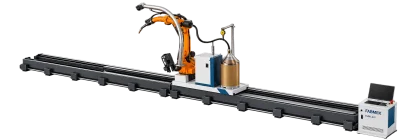
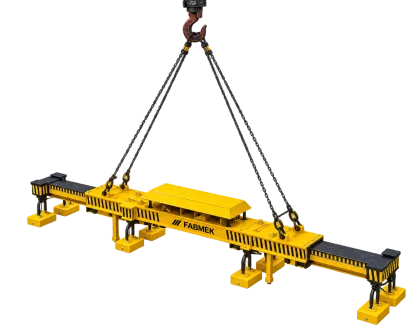
Hole Layout & Tool Requirements
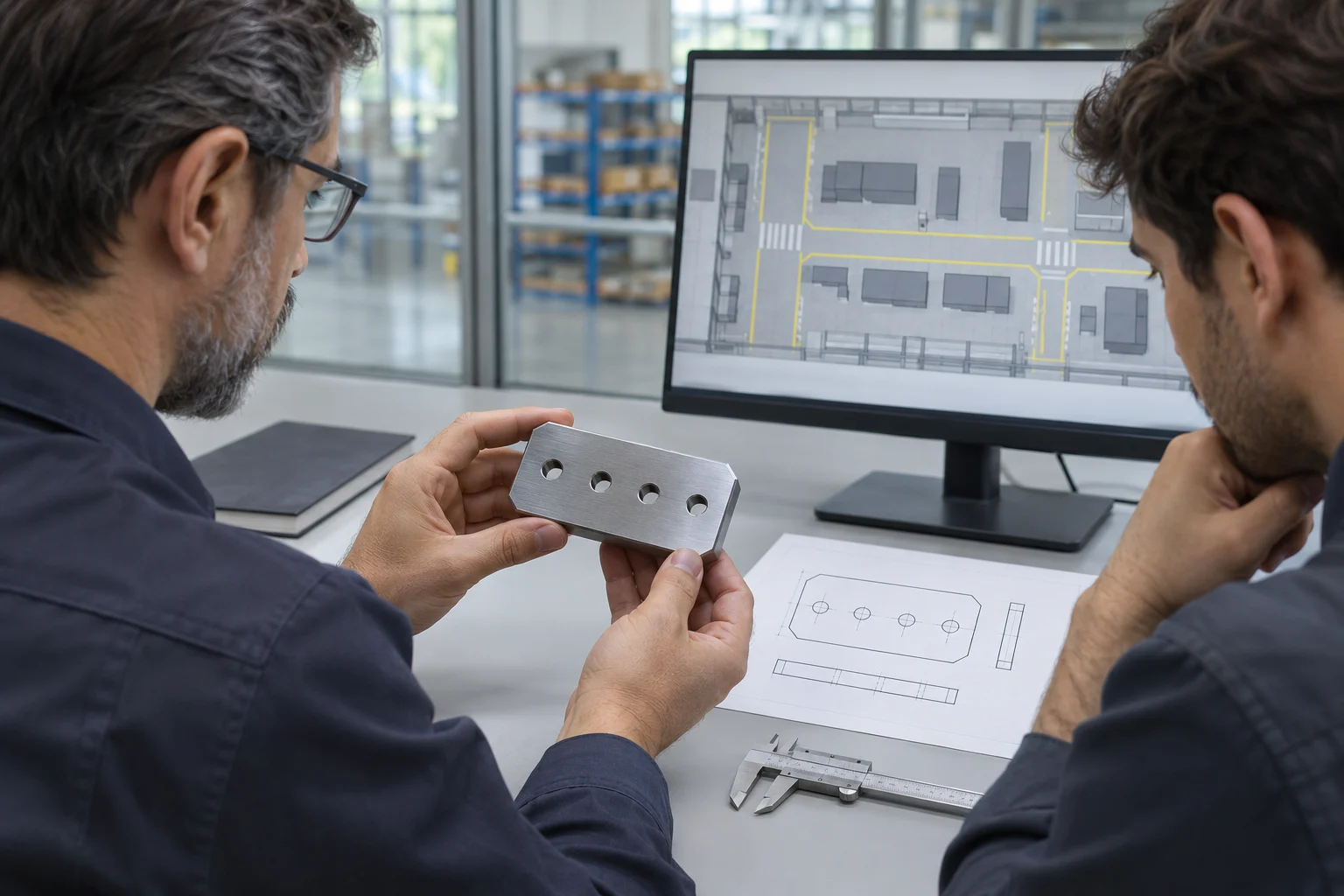
Alongside hole diameter and quantity, mark countersinking, tapping or facing requirements on the drawing. Compare working area, tooling and clamping options for the same part.



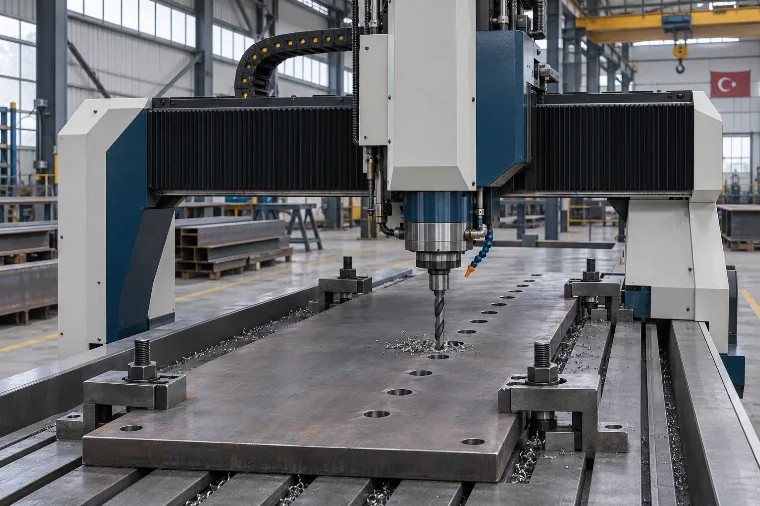
How the plate is clamped determines hole access and operation order.
Start with a machine family, then narrow your search by process, material and industry.
CHOOSE FOR YOUR APPLICATION
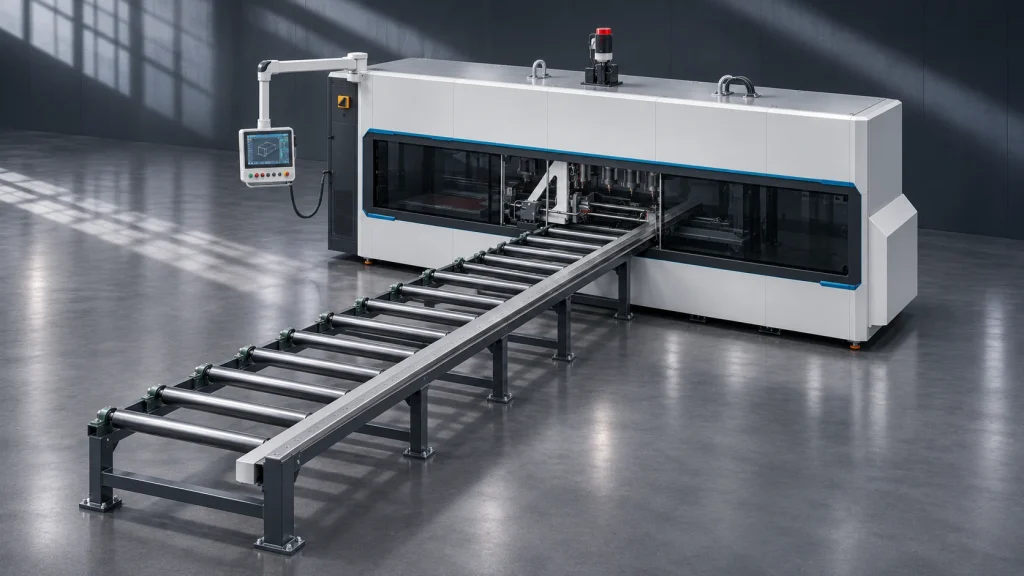
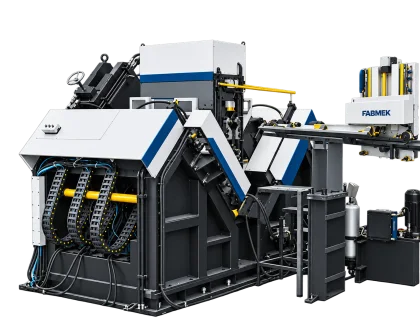
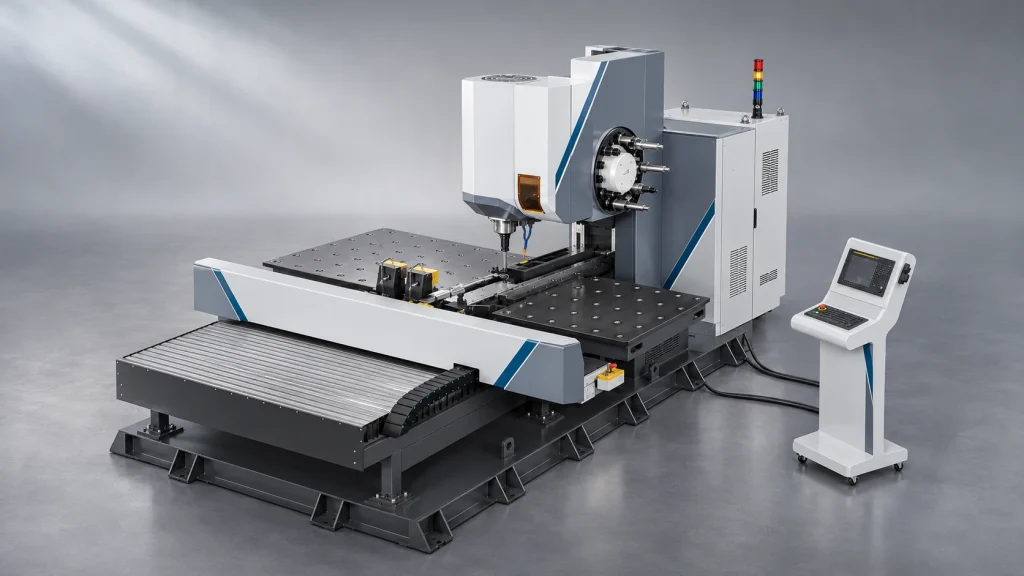
Assess a CNC plate drilling machine for connection plates and steel parts against working area, thickness and clamping. State total plate dimensions separately from the area occupied by the holes.
Alongside hole diameter and quantity, mark countersinking, tapping or facing requirements on the drawing. Compare working area, tooling and clamping options for the same part.
Part dimensions, quantity loaded on one table and faces to be machined affect the clamping plan. Include unloading and the next welding or assembly operation in the assessment.
Hole tolerance, thickness, surface requirements and subsequent operations determine the choice. Do not consider a thermally cut hole and a drilled hole equivalent based on nominal diameter alone.
Share your drawing, material and production goals. Together, we can review the machine and equipment options.