
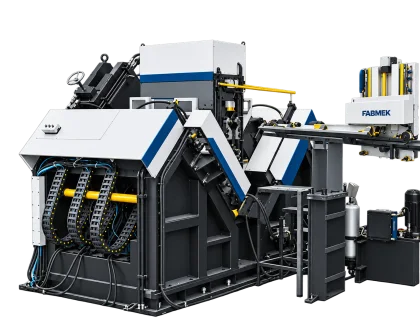
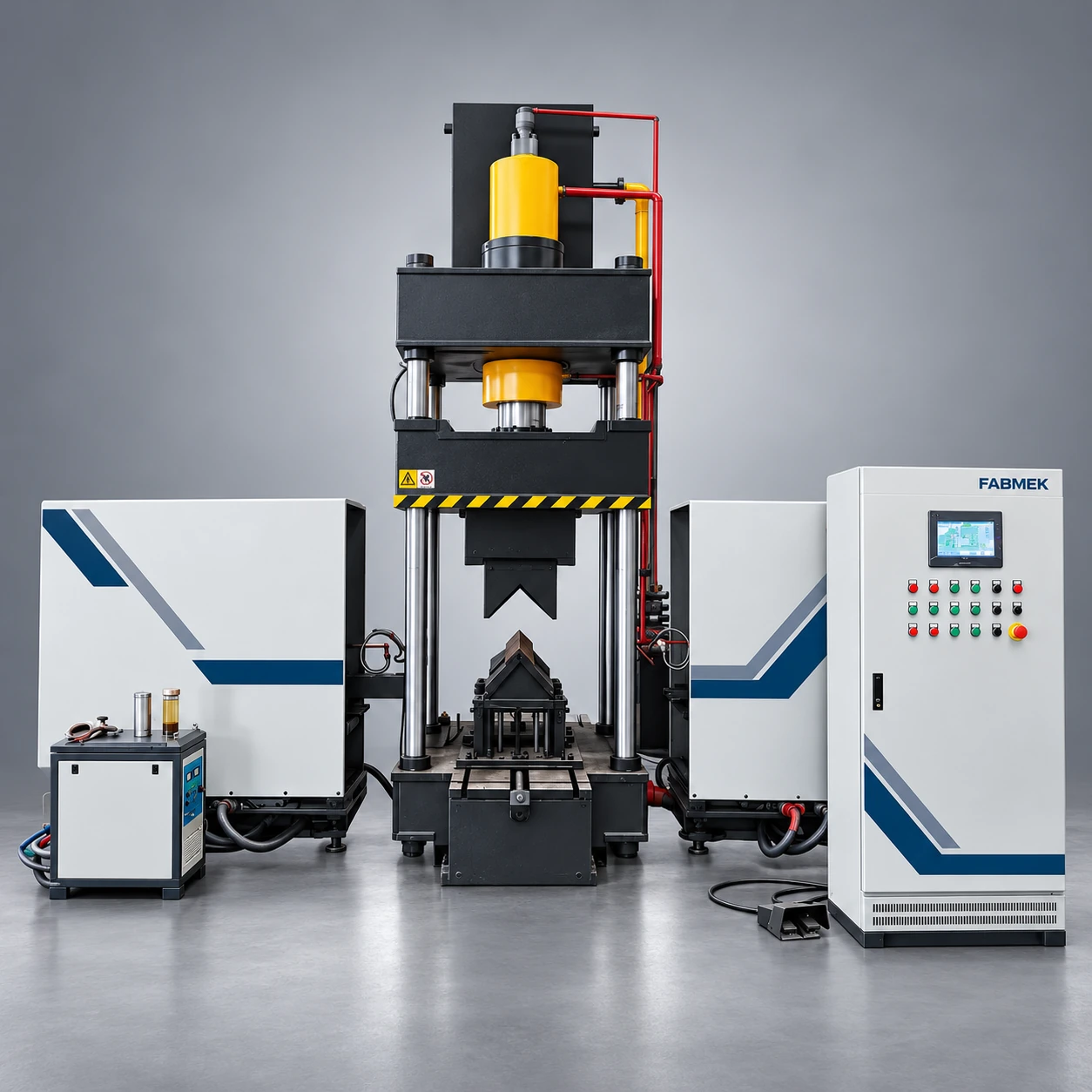
Induction Angle & Plate Bending Machine
What Does It Do?
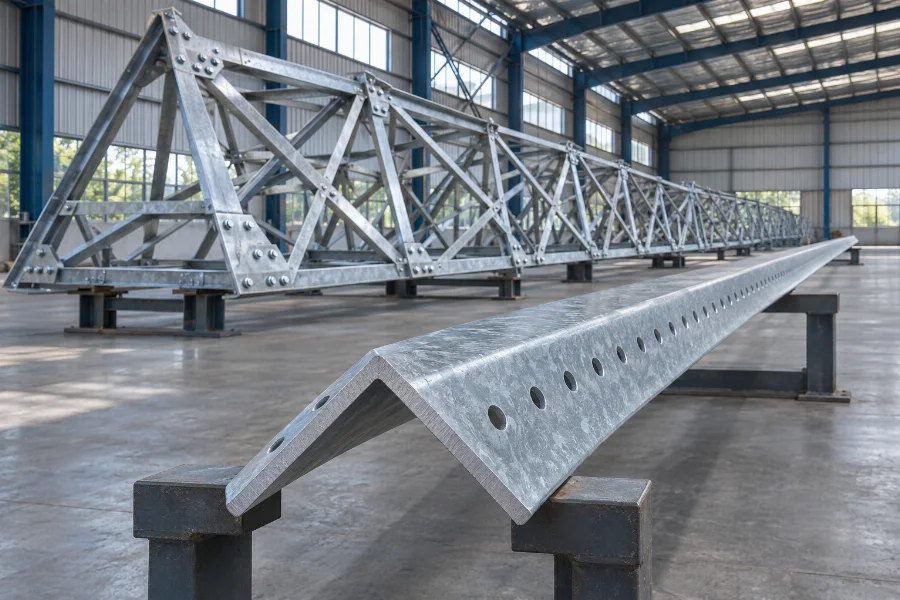
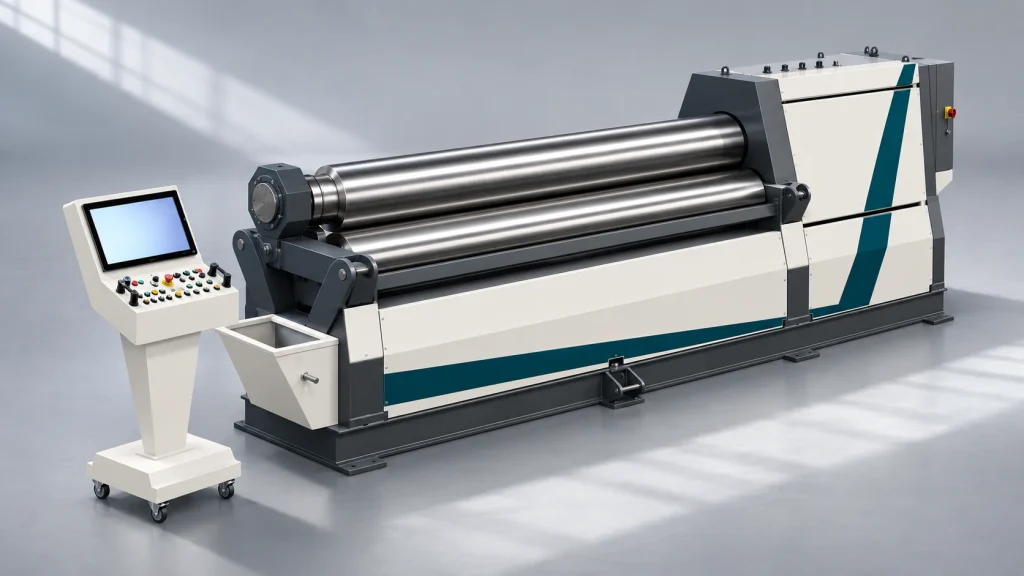
Heats and bends the relevant area of an angle to achieve the required geometry. The aim is to change the part's angle or shape, rather than drill holes.
The target geometry, material and heated area are considered together. Heating method, temperature and achievable angle cannot be inferred from the machine family name; the defined configuration of the selected model is the basis.
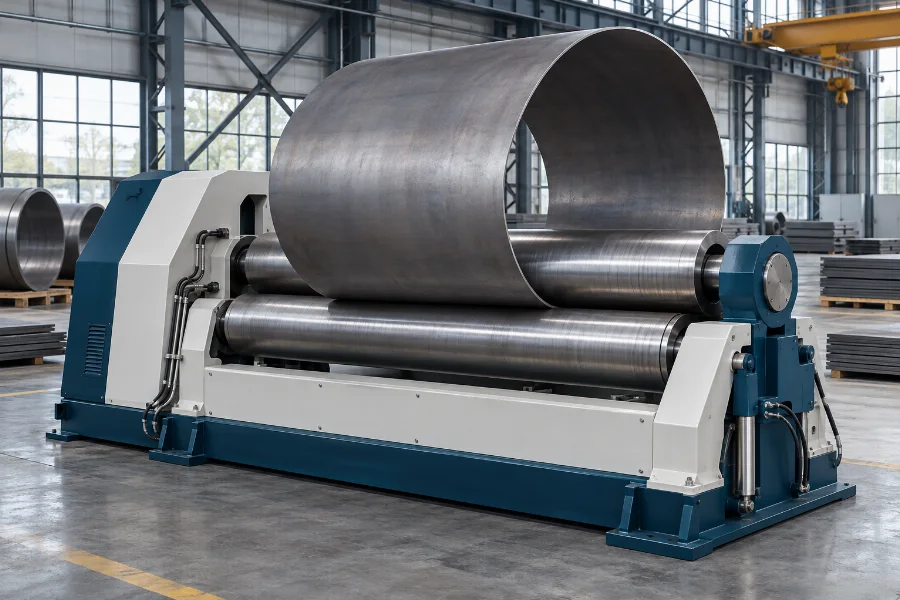
The FAN-B360 source lists positive single bending, double bending and plate bending separately. Specify whether the workpiece is an angle or plate, its section or width, and the bending direction. Compare only the rows relevant to that configuration.
Key Features
- Induction-Assisted Forming
- Separate Single- & Double-Bending Conditions
- Configuration by Workpiece & Angle
Which Applications Is It Suited To?
Configurations & Technical Information
Scroll the table sideways to see the other models.
| Technical Specification | FAN-B250 · 250 / 700 mm | FAN-B360 · 360 / 900 mm |
|---|---|---|
| Angle Range for Double Bending (mm) | L80 × 7 – L250 × 32 | L80 × 7 – L360 × 40 |
| Double-Bending Angle | 30° | 30° |
| Positive Single-Bending Range (mm) | L80 × 7 – L200 × 18 | L100 × 10 – L300 × 30 |
| Positive Single-Bending Angle | 20° | 20° |
| Plate Thickness (mm) | 2–16 | 2–20 |
| Plate Width (mm) | 700 | 900 |
| Plate Bending Angle | 90° | 90° |
| Machine Power (kW) | 15 | 22 |
| Induction Heating Power (kW) | 2 × 60 | 2 × 80 |
| Model Quotation | Request a Quote → | Request a Quote → |
Angle and plate ranges apply to their respective bending arrangements.
Series FAN-B